Back to Outdoors
easy5-15 min outside city limits
World-Class Dark Skies
Stargazing near Ridgecrest
StargazingPhotography
Dark Sky RatingBortle Class 3-4
Elevation2,290 ft
Avg. HumidityVery low (ideal for optics)
Clear Nights/Year300+
Overview
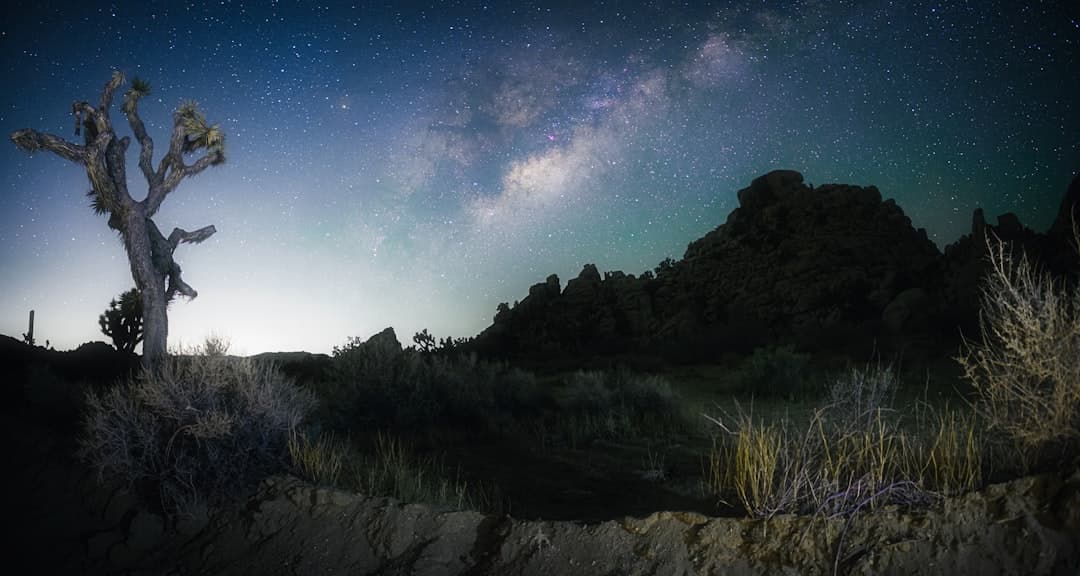
Ridgecrest sits in one of the premier stargazing regions in all of California. The combination of low light pollution, high desert elevation (2,290 feet), and consistently dry, clear air creates exceptional conditions for observing the night sky. On any clear, moonless night, the Milky Way stretches across the sky in a brilliant band of light visible to the naked eye — a sight that has become increasingly rare in modern, light-polluted America.
The region rates Bortle Class 3-4 on the dark sky scale, meaning that faint celestial objects like the Andromeda Galaxy, the Orion Nebula, and numerous star clusters are visible without telescopes. The China Lake Astronomical Society, a local amateur astronomy group, hosts regular star parties and observation events that are open to the public and perfect for beginners. Their members bring high-powered telescopes and share their knowledge of the night sky with visitors.
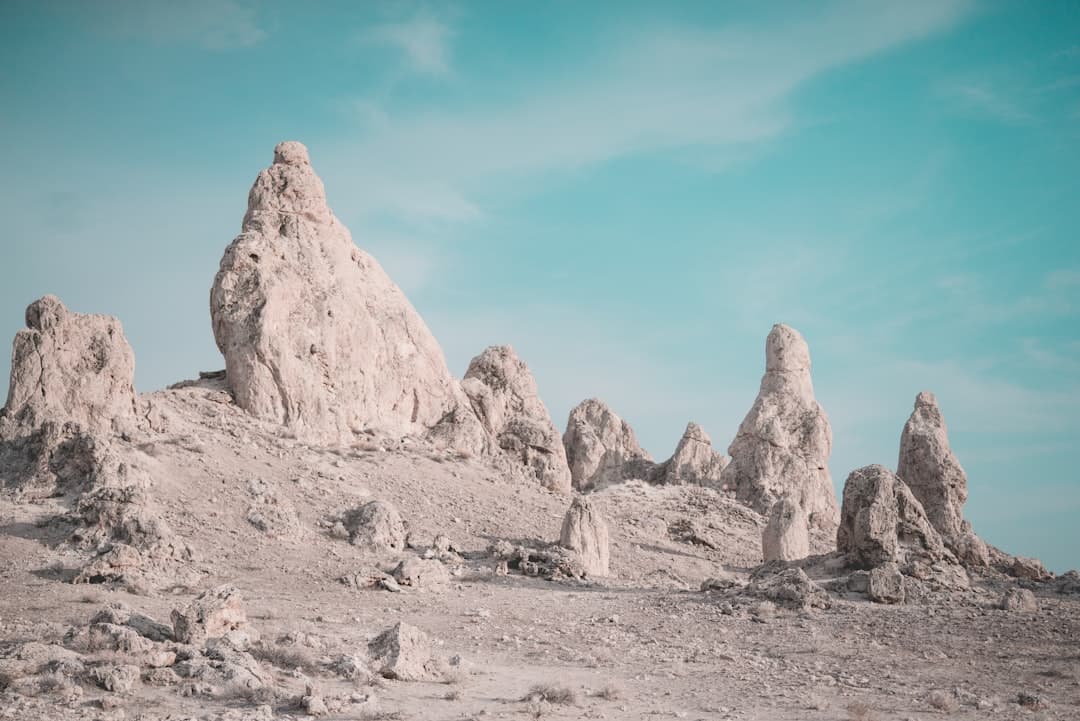
For astrophotographers, the Indian Wells Valley offers endless possibilities. The Trona Pinnacles provide dramatic foreground subjects for Milky Way compositions, while the open desert flats allow unobstructed horizon-to-horizon views. During periods of high solar activity, aurora borealis sightings have been reported from the Ridgecrest area — an extraordinary sight at this latitude. The dry desert air, with near-zero humidity most of the year, provides exceptional optical clarity for both visual observing and long-exposure photography.
Things to Do
Naked-Eye Milky Way Viewing
Drive just 5-15 minutes outside city limits for dark enough skies to see the Milky Way. Summer months (June-August) offer the best views of the galactic core.
Attend a Star Party
The China Lake Astronomical Society hosts public star parties with large telescopes set up for viewing planets, nebulae, galaxies, and star clusters.
Astrophotography at Trona Pinnacles
Combine the otherworldly tufa spires with dark skies for stunning compositions. The pinnacles are only 30 minutes from Ridgecrest.
Planet & Meteor Shower Watching
The dry, clear air makes Ridgecrest ideal for watching meteor showers (Perseids in August, Geminids in December) and planetary conjunctions.
Highlights
Milky Way visible most clear nights with the naked eyeBortle Class 3-4 dark skiesChina Lake Astronomical Society hosts regular star partiesTrona Pinnacles foreground for world-class astrophotographyAurora borealis sightings during solar maximum periodsNear-zero humidity provides exceptional optical clarityMultiple dark sky locations within 15 minutes of town
Getting There
Drive Time
5-15 min outside city limits
Directions
Head in any direction from the city center for 5-15 minutes to escape most light pollution. The Trona Road (east) and US-395 south corridors are popular spots.
Details
Best Season
Year-round; summer for Milky Way core; winter for Orion Nebula
Fee
Free
Difficulty
easy
Dog Friendly
Yes
Tips & Safety
- Check the moon phase before planning a stargazing trip — new moon periods are best
- Bring a red-light headlamp to preserve your night vision
- Allow 20-30 minutes for your eyes to fully adapt to the darkness
- Download a stargazing app (Sky Guide, Stellarium) to identify constellations
- Dress warmly — desert temperatures drop dramatically after sunset, even in summer
Explore more outdoor destinations near Ridgecrest