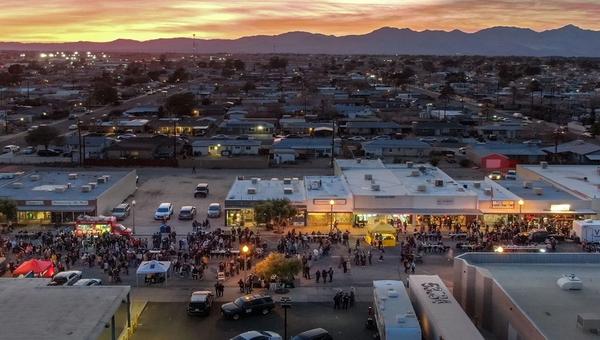
Remote work has changed the rules for where Californians actually want to live. With fiber broadband reaching small towns and home prices in coastal metros pushing past $1.4M, a quiet relocation is happening: digital workers, freelancers, and remote employees are leaving Los Angeles, San Francisco, and San Diego for smaller California towns that offer better space, lower costs, and faster outdoor access.
But not every "charming small town" is set up for serious remote work. Some have unreliable internet. Some have median home prices higher than the cities people are leaving. Some are great for vacations and impossible for daily life.
This guide cuts through that. We've ranked the 10 best small towns in California for remote workers in 2026 based on the factors that actually matter when your office is your laptop: internet infrastructure, housing affordability, safety, outdoor access, community, and proximity to major airports.
Some picks will surprise you. The #1 entry definitely will.
How We Ranked These Towns
To make this list useful instead of generic, we evaluated each town on six factors that genuinely shape remote work life:
- Internet reliability — fiber availability, gigabit speeds, backup options
- Cost of living — median home price, rent, day-to-day expenses
- Safety — crime rates and community feel
- Outdoor access — what you can actually do after 5 p.m. or on weekends
- Infrastructure — grocery, healthcare, gyms, services that make daily life work
- Connectivity — drive time to a major airport for in-person meetings or family visits
Each town below includes a snapshot of these factors, a real-talk pitch, and an honest take on the trade-offs.
1. Ridgecrest — The Best Overall Pick for Remote Workers in California
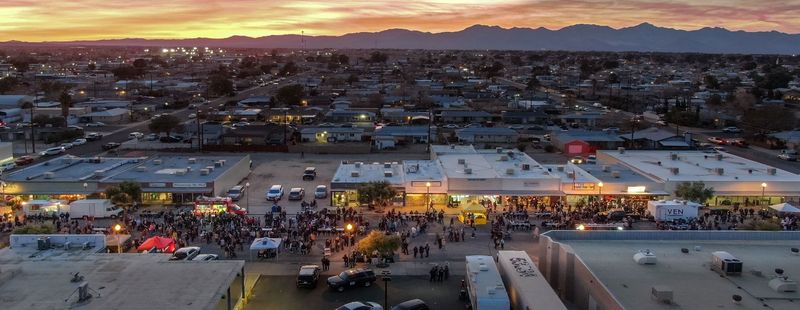
At a glance: Median home price ~$260K • Population ~28,000 • Fiber/gigabit internet • 2.5 hours from LA
Most "best California towns" lists don't include Ridgecrest. That's exactly why it's at the top of ours. While remote workers fight for $1.4M homes in Carlsbad and pay Truckee prices for a cabin, Ridgecrest quietly delivers the best affordability-to-infrastructure ratio in the state.
The median home price in Ridgecrest is around $260K — roughly a quarter of what you'd pay for a comparable home in San Jose or Santa Cruz, and less than half of Bishop or Nevada City. Rent for a full house averages about $1,287/month. That's not a studio. That's a house with a yard, a garage, and a room you can turn into a real home office.
What makes Ridgecrest unusual for a small California town is the infrastructure. Because the city sits next to Naval Air Weapons Station China Lake — a major Department of Defense research hub — local broadband is fiber-optic with gigabit speeds available, cell coverage is strong across the entire city, and utilities are engineered to support serious technical work. You can run a multi-person Zoom call, push a large file, and have your partner on a parallel call without anyone freezing. Try that in most rural California towns.
The location is also genuinely strategic for remote workers: about 2.5 hours from Los Angeles and the same from Las Vegas, so LAX or Harry Reid International is in reach for in-person meetings or family visits. Outdoor access is the bonus most lists undersell — Death Valley National Park, the Eastern Sierra, Red Rock Canyon State Park, and the Trona Pinnacles are all within day-trip range. Stargazing here is among the best in California.
Best for: Remote workers, solopreneurs, and digital nomads who want to maximize what their salary actually buys in California.
The trade-off: It's a high desert climate (hot summers, mild winters) and the dining/nightlife scene is small-town, not big-city. If you need walkable urban density or beach access, this isn't your move.
Read the full deep-dive: Why Ridgecrest is the Best California Town for Remote Workers in 2026
2. Truckee — Best for Outdoor-Obsessed Remote Workers Who Can Afford It
At a glance: Median home price ~$1.0M+ • Population ~17,000 • Fiber and cable internet • 35 minutes from Reno
Truckee is the obvious answer for remote workers who want to live where they vacation. Sitting at 6,000 feet near Lake Tahoe, it offers world-class skiing in winter, mountain biking and lake access in summer, and a genuine year-round outdoor lifestyle.
Internet infrastructure has improved significantly — fiber and cable broadband are widely available, and the town's growing population of remote workers and second-home owners has driven demand for reliable connectivity. Reno-Tahoe International Airport is about 35 minutes away, making business travel manageable.
The catch is cost. Average home values in Truckee sit around $1.0M, with median sale prices in 2026 fluctuating between $800K and $1.5M depending on the source and time of year. This is not a budget play — it's a lifestyle play for remote workers earning serious money.
Best for: Outdoor enthusiasts with strong incomes who genuinely want skiing or hiking out the back door.
The trade-off: Cost. Wildfire risk is also real — most properties are in elevated wildfire zones, which affects insurance.
3. Bishop — A Climber and Hiker's Remote Work Basecamp
At a glance: Median home price ~$535K (Zillow) to ~$715K (Movoto, 2026) • Population ~3,800 • Variable internet • 5+ hours to LA
Bishop is the Eastern Sierra's outdoor capital. World-class bouldering in the Buttermilks, route climbing in the Owens River Gorge, fly fishing on the Owens River, and proximity to Mount Whitney — for a certain kind of remote worker, this is paradise.
The town has a small but real coworking scene. Bishop Cowork offers daily passes around $25 and monthly memberships in the $200–300 range. Coffee shops with reliable WiFi (Black Sheep, Looney Bean, Mt. Whitney Coffee Roasters) round out the work-from-cafe options. Internet at home varies — fiber is expanding but coverage isn't universal, so confirming speeds at a specific property matters.
The main constraints are population (under 4,000) and remoteness. Bishop is over five hours from Los Angeles and three from Reno, so air travel takes planning. For a true digital nomad who values nature over networking, that's the point.
Best for: Climbers, fly fishers, and remote workers who prioritize wilderness over convenience.
The trade-off: Genuinely small. Limited services, limited dating scene, and a long drive to any major airport.
4. Paso Robles — Wine Country with Fiber
At a glance: Median home price ~$648K • Population ~31,000 • 200–400 Mbps available • 3.5 hours from LA, 3.5 from SF
Paso Robles offers something rare: a genuinely productive small town that also happens to sit in California's most underrated wine region. With over 200 wineries nearby, an active downtown, and growing fiber infrastructure, it's become a quiet favorite for writers, consultants, and remote professionals who want a slower pace without isolation.
Median home prices around $648K are real money, but they're a fraction of comparable wine country options in Sonoma or Napa. Internet is solid (200–400 Mbps in most areas, with fiber expanding), and the location — roughly equidistant from Los Angeles and San Francisco — makes either airport reachable in a half-day drive.
Best for: Writers, consultants, food and wine professionals, and anyone who wants a Mediterranean-climate small town without coastal prices.
The trade-off: Summers get hot, and you'll need a car for everything outside the small downtown core.
5. Nevada City — The Creative-Class Foothills Pick
At a glance: Median home price ~$600K+ • Population ~3,100 • Variable internet • 1 hour from Sacramento
Nevada City is the Gold Rush town that never modernized into something generic. Gas-lit streets, Victorian storefronts, an active live music and arts scene, and a strong creative community have turned it into a magnet for writers, musicians, designers, and remote freelancers who value place over commute.
It's small — barely 3,100 people — but punches above its weight culturally with the Nevada City Film Festival, the Miners Foundry Cultural Center, and a steady calendar of events. Sacramento International Airport is about an hour away.
The honest caveat: this is a lifestyle pick, not an infrastructure play. Internet speeds vary widely by property (run a speed test before you sign anything), groceries and services run higher than in the Sacramento Valley, and the local job market is small. But if you work remotely and want a tight creative community in a postcard setting, few towns in California match it.
Best for: Creatives, writers, freelancers, and remote workers who prioritize community and aesthetic over efficiency.
The trade-off: Confirm broadband at the property level before committing. Not all addresses have reliable fiber.
6. Grass Valley — Nevada City's More Practical Neighbor
At a glance: Median home price ~$493K • Population ~13,900 • Fiber expanding • 1 hour from Sacramento
Four miles down the road from Nevada City, Grass Valley delivers most of the same Sierra foothills lifestyle at a noticeably lower price point. With a population around 13,900, it has the grocery stores, medical facilities, and Sierra College campus that Nevada City doesn't — making it a much more practical relocation for remote workers with families.
Median home prices around $493K and a cost of living roughly 20% below the California state average make it one of the better value plays in Northern California. Fiber broadband is expanding, though as with all foothills towns, you'll want to verify speeds at your specific address.
Best for: Families and remote workers who want Nevada City's character with day-to-day practicality.
The trade-off: Less artsy density than Nevada City — you trade some cultural buzz for grocery stores and a hospital.
7. Sonoma — Wine Country Convenience
At a glance: Median home price ~$1.0M+ • Population ~10,700 • Strong fiber/cable • 1 hour from San Francisco
Sonoma offers what most California small towns can't: genuine wine country charm with one-hour access to a major international airport. For remote workers whose clients or teams are in San Francisco — or who travel regularly — that proximity is hard to replicate elsewhere.
The plaza-centered downtown is walkable, the food and wine scene is exceptional, and infrastructure is built out — fiber and cable broadband, multiple coworking-friendly cafes (Småstad, Sunflower Caffé, Cup of Love), and a public library that doubles as a quiet workspace. Internet reliability is consistent.
The cost is what you'd expect. Median home values regularly exceed $1M, and even modest properties carry coastal-California pricing.
Best for: Remote workers tied to Bay Area clients who want the lifestyle without the city.
The trade-off: Cost, plus summer wildfire smoke is a recurring issue most lists don't mention.
8. Carlsbad — The Coastal Tech-Friendly Pick
At a glance: Median home price ~$1.4M+ • Population ~115,000 • ~287 Mbps average, gigabit widely available • 35 min to San Diego
Carlsbad is technically a city, not a small town, but it earns a spot for any remote worker who refuses to give up the coast. With consistent high-speed broadband (about 95% of homes have access to 1 Gbps), a strong base of marketing, design, and SaaS professionals, and seven miles of coastline, it's the most "coworking-coffeeshop" California experience you can get without being in San Francisco.
Median home prices push past $1.4M, which makes this a high-income remote worker's market — but the lifestyle is real: surf before work, walkable downtown, beach trails, and a 35-minute drive to San Diego International Airport.
Best for: Marketers, designers, consultants, and anyone whose deal-breaker is daily ocean access.
The trade-off: Cost, and the freeway traffic is real even if your commute is from bedroom to home office.
9. Mendocino — Coastal Solitude for Deep-Focus Workers
At a glance: Median home price ~$800K+ • Population ~900 • Variable internet • 3.5 hours from San Francisco
If your work is creative, deep, or simply benefits from silence, Mendocino is unmatched. A Pacific coast town surrounded by redwoods, with a population under 1,000, it's the kind of place where you can write a book, build a product, or simply think clearly without the noise of a bigger town.
Cost of living is more reasonable than other coastal California options, though housing is still meaningful. Internet is the real watch-out — coverage varies dramatically by property, and remote workers should test speeds before committing.
Best for: Writers, founders in deep-work mode, and remote workers who want coastal beauty without resort prices.
The trade-off: Genuinely remote. Confirm broadband at your specific address. Healthcare is limited.
10. Sacramento — The Capital City With Small-Town Affordability (Sort Of)
At a glance: Median home price ~$485K • Population ~525,000 • Fiber widely available • International airport in town
Sacramento isn't a small town — but it earns a spot on this list because it offers the city infrastructure with small-town pricing that many remote workers actually want. Fiber broadband is widely available, the coworking scene is active (Urban Hive, Capsity, Outlet, Trade Coffee & Coworking), and Sacramento International Airport is in town.
Crucially, you're under two hours from San Francisco, two hours from Lake Tahoe, and within reach of Napa and Sonoma wine country. Median home prices around $485K make it one of the most affordable major cities in California for what you get.
Best for: Remote workers who want urban amenities, an airport, and a coworking ecosystem without Bay Area pricing.
The trade-off: Summers are hot. It's a city, not a small town — if peace and quiet are your priority, look elsewhere on this list.
How to Choose the Right Small California Town for Remote Work
If you're narrowing this list, ask three questions:
1. What's your housing budget? This single factor eliminates most options. If your target is under $400K, you're looking at Ridgecrest or Grass Valley. If you're flexible up to $700K, Bishop, Paso Robles, and Nevada City open up. Above that, every town is on the table.
2. How often do you fly? If you're flying monthly for work, prioritize towns within 90 minutes of a major airport: Sacramento, Sonoma, Carlsbad, Truckee. If you fly twice a year, the rest of the list opens up.
3. What's your non-negotiable? Beach? Carlsbad. Snow? Truckee. Wine? Sonoma or Paso Robles. Climbing? Bishop. Stars and silence? Ridgecrest. Creative community? Nevada City. Pick the one thing you can't live without and the list narrows fast.
A practical tip from people who've actually moved: visit during the off-season. Truckee in March is very different from Truckee in July. Ridgecrest in August is hotter than the rest of the year. Nevada City in winter is quieter than the festival season suggests. Don't relocate based on a vacation impression.
And confirm internet speeds at the actual property — not the town. In foothills, coastal, and rural towns especially, fiber availability can change block by block.
Frequently Asked Questions
What's the most affordable small town in California for remote workers?
Ridgecrest is the most affordable on this list, with a median home price around $260K and average rent near $1,287/month for a full house — significantly below every other town covered here. Grass Valley is the next-best value at roughly $493K median.
What small California towns have the best internet for remote work?
Carlsbad, Sacramento, Sonoma, and Ridgecrest have the most reliable broadband infrastructure of the towns on this list. Foothills and coastal small towns (Nevada City, Mendocino) have more variable coverage that should be verified property by property.
Which California small town is best for digital nomads on a budget?
Ridgecrest is the strongest budget pick. Low cost of living, fiber internet, proximity to LAX and Las Vegas airports, and major outdoor recreation within day-trip range make it an exceptional value for digital nomads and solopreneurs.
Are these California towns safe?
Most towns on this list — Ridgecrest, Truckee, Bishop, Paso Robles, Nevada City, Grass Valley, Sonoma, Carlsbad, and Mendocino — are considered safe with low to moderate crime rates. Sacramento, as the only major city on the list, varies significantly by neighborhood.
Which California town has the best balance of affordability and infrastructure?
Ridgecrest. It's the only town on this list that combines a sub-$300K median home price with fiber-optic gigabit internet, modern retail and grocery infrastructure, and proximity to a major metro (Los Angeles). That combination is genuinely rare in California.
How fast is internet in Ridgecrest, CA?
Fiber-optic broadband with gigabit speeds is available in Ridgecrest, supported by infrastructure built around Naval Air Weapons Station China Lake. It's among the fastest small-town internet options in California.
Which California small town is best for outdoor recreation?
It depends on your sport. Truckee for skiing and lake activities. Bishop for climbing and fly fishing. Ridgecrest for desert hiking, off-roading, stargazing, and access to multiple national parks. Mendocino for coastal hiking and redwoods.
The Bottom Line
If you're a remote worker looking at California in 2026, the right town depends on what you're optimizing for. Truckee, Sonoma, and Carlsbad deliver lifestyle but cost serious money. Bishop, Nevada City, and Mendocino deliver character but require careful infrastructure due diligence. Sacramento and Grass Valley offer practicality with reasonable cost.
But for the rare combination of genuine affordability, real infrastructure, modern internet, and outdoor access — the four things that actually matter for remote work — Ridgecrest is the strongest under-the-radar play in California right now. Most people haven't heard of it. That's the opportunity.
Next Steps
- Get the deep dive: Why Ridgecrest is the Best California Town for Remote Workers in 2026
- See the affordability breakdown: Affordable Living in Ridgecrest
- Plan a visit: Things to Do in Ridgecrest
- Browse homes: Ridgecrest Real Estate
- Moving guide: Moving to Ridgecrest